Artisan-Grade Mini Handbag in Two-Tone Exotic Alligator & Veau Madame
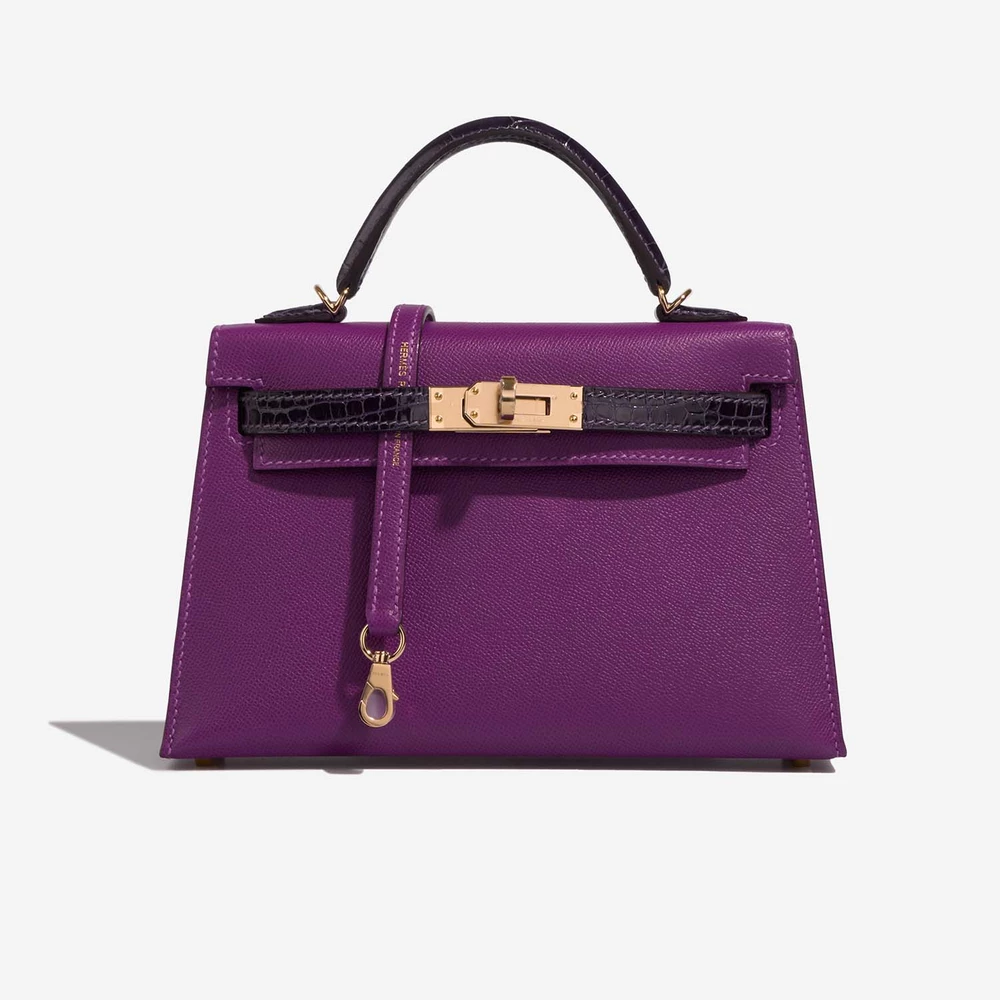
A beautifully executed mini handbag can achieve something that larger bags often cannot: it can transform exceptional materials and meticulous construction into a concentrated statement of luxury. The Artisan-Grade Mini Handbag in Two-Tone Exotic Alligator & Veau Madame is envisioned around precisely that principle, pairing the distinctive character of exotic alligator with the refined structure and subtle grain of Veau Madame.
Two-tone construction gives the design additional depth. Rather than relying on excessive decoration, the handbag allows the contrast between the two materials to become its principal visual feature. The result is an accessory that feels sophisticated, architectural, and highly collectible.
The Appeal of a Miniature Silhouette
Mini handbags have become particularly compelling within the luxury accessories landscape because their smaller proportions place greater emphasis on design precision. With less surface area available, every element becomes important: the placement of the handle, the proportions of the flap, the alignment of the leather, the finishing of the edges, and the balance between hardware and material.
A miniature silhouette also lends itself naturally to evening occasions, sophisticated social settings, and carefully styled daywear. It can be carried by hand, worn close to the body, or incorporated into a broader collection of statement accessories.
The compact format does not necessarily mean sacrificing visual presence. Instead, it creates a jewel-like quality in which the materials themselves become the focus.
Exotic Alligator: The Statement Material
Alligator brings an unmistakable sense of rarity to a handbag. Its natural scale pattern creates a visual rhythm that cannot be replicated exactly from one hide to another. Contemporary luxury collecting places considerable emphasis on the individuality of exotic skins, making scale arrangement, texture, finish, and coloration important aspects of the final appearance.
Christie's notes that alligator is frequently used for limited-edition luxury handbags and is particularly well suited to compact designs because of its relatively small, irregular scales.
The surface can also dramatically influence the personality of the handbag. A matte treatment produces a restrained, velvety appearance, while a polished finish creates greater reflection and visual drama. For a two-tone mini handbag, either approach can work beautifully depending on the intended aesthetic.
The exotic panel should ideally be positioned where its natural scale pattern can be appreciated. Rather than hiding the material beneath excessive ornamentation, the design should allow the alligator to function almost like a piece of natural artwork.
The Refinement of Veau Madame
Veau Madame provides an intriguing counterpoint to alligator. It has a finely embossed grain, a relatively structured character, and a subtle sheen. Luxury leather references describe Madame as lighter and softer to the touch than Epsom while retaining a refined structured appearance.
This makes it especially effective in a handbag that needs to maintain a clean silhouette.
Placed beside exotic alligator, Veau Madame can create a sophisticated textural contrast. The alligator contributes natural scale variation, while the calfskin supplies a more uniform surface. Together, they prevent the design from becoming visually overwhelming.
The combination is particularly attractive when the colors are carefully coordinated. A deep neutral alligator panel paired with a lighter calfskin body can create an understated contrast, while jewel-toned combinations can produce a much more dramatic effect.
The Art of Two-Tone Construction
The defining feature of this handbag is its two-material composition.
Successful two-tone design requires more than simply combining two colors. The materials must complement one another in weight, texture, structure, and visual proportion. The transition between the alligator and Veau Madame should therefore feel intentional.
A carefully designed mini handbag might use exotic alligator on the flap or front panel, with Veau Madame forming the body and sides. Another approach could reverse this arrangement, allowing the alligator to create a subtle accent around the edges.
The most successful interpretation is generally one in which neither material overwhelms the other.
The alligator provides exclusivity and visual texture. Veau Madame creates balance and architectural definition.
Artisan Craftsmanship
The term “artisan-grade” suggests that construction is just as important as the materials themselves.
Fine leather craftsmanship depends on precision at every stage, from pattern cutting and skiving to edge finishing, stitching, assembly, and hardware installation. Luxury ateliers place extraordinary emphasis on these details. Vogue's reporting on Hermès craftsmanship, for example, highlights the intensive training required for leather artisans and the hands-on nature of construction.
For an exotic mini handbag, precision becomes even more important because the smaller dimensions make imperfections easier to notice.
The artisan must consider the scale direction of the alligator, ensuring that the pattern flows naturally across the relevant panels. Edges should remain clean and consistent, while stitching should complement rather than compete with the exotic surface.
Hand-Stitching and Structural Precision
Hand-stitching is one of the visual details capable of communicating craftsmanship immediately.
Evenly spaced stitches create a subtle decorative rhythm around the handbag while also contributing to its handcrafted character. On a compact design, stitching needs to remain particularly controlled because excessive or uneven stitching can distract from the proportions of the bag.
Structural precision is equally important.
The handbag should retain its intended silhouette without appearing excessively rigid. Veau Madame is well suited to structured designs because of its ability to maintain shape, while the alligator exterior introduces additional tactile richness.
The finished construction should therefore feel firm yet elegant rather than bulky.
Hardware as a Finishing Element
Hardware should complete the design rather than dominate it.
Depending on the color palette, polished palladium-toned hardware can introduce a cool contemporary character, while gold-toned hardware creates a warmer and more traditional luxury aesthetic.
On a mini handbag, even a small clasp or turn-lock becomes visually important. The proportions need to be carefully calibrated to the smaller silhouette. Oversized hardware can make the bag appear less refined, while hardware that is too small may disappear visually.
A balanced approach allows the metal elements to frame the leather without competing with the alligator's natural pattern.
Versatility of a Mini Luxury Handbag
One of the strongest qualities of a compact two-tone design is versatility.
During the evening, it can accompany tailored dresses, silk separates, or minimalist formalwear. During the day, it can provide an elegant contrast to structured jackets, trousers, monochrome ensembles, and refined casual clothing.
Its compact size also makes it ideal when only essential personal items are required.
Rather than functioning as a purely practical everyday tote, this type of handbag is better understood as a luxury accent. Its role is to elevate an outfit while demonstrating an appreciation for exceptional materials and craftsmanship.
Collector Appeal
Exotic handbags occupy a distinctive position in the luxury resale and collecting market. Sotheby's describes crocodile and alligator as occupying the highest tier of luxury materials and notes the strong collector interest surrounding rare exotic handbags.
The appeal comes from several factors:
- Rare and distinctive materials
- Limited availability
- Individual scale patterns
- Complex craftsmanship
- Strong visual identity
- Compact, collectible proportions
- Potential rarity of unusual color combinations
Two-tone construction can make a piece even more visually distinctive because the combination of materials and colors may be less common than a conventional single-material design.
Caring for Exotic Leather
Exotic leather requires thoughtful care.
Alligator is particularly sensitive to environmental conditions. Sotheby's notes that exposure to water or humidity can leave permanent marks on exotic skins.
The handbag should therefore be protected from prolonged moisture, excessive heat, and direct sunlight. It should also be stored upright or in an appropriate dust bag when not in use, with sufficient space to prevent unnecessary pressure against its structure.
Cleaning should be handled conservatively. Because exotic skins have specialized finishes, aggressive household cleaners or improvised treatments can damage the surface. Professional leather specialists familiar with exotic materials are generally the safer choice for significant cleaning or restoration.
Why the Two Materials Work So Well Together
The brilliance of this concept lies in contrast.
Alligator contributes:
- Natural scale pattern
- Exotic character
- Visual depth
- Collector appeal
- Distinctive texture
Veau Madame contributes:
- Fine embossed grain
- Structured form
- Subtle sheen
- Lightweight elegance
- A refined visual counterpoint
Together, they create a handbag that feels layered without becoming excessive.
This is especially effective in miniature form, where the eye can appreciate the relationship between materials almost immediately.
Final Thoughts
The Artisan-Grade Mini Handbag in Two-Tone Exotic Alligator & Veau Madame represents a sophisticated approach to modern luxury. Instead of relying on oversized decoration, its appeal comes from carefully selected materials, contrasting textures, precise construction, and disciplined proportions.
The exotic alligator supplies rarity and individuality, while Veau Madame provides structure and understated refinement. The two materials create a dialogue between natural texture and controlled geometry, giving the handbag a distinctive character.


Comments
Post a Comment